






Automating Social Media Without Sounding Like a Bot
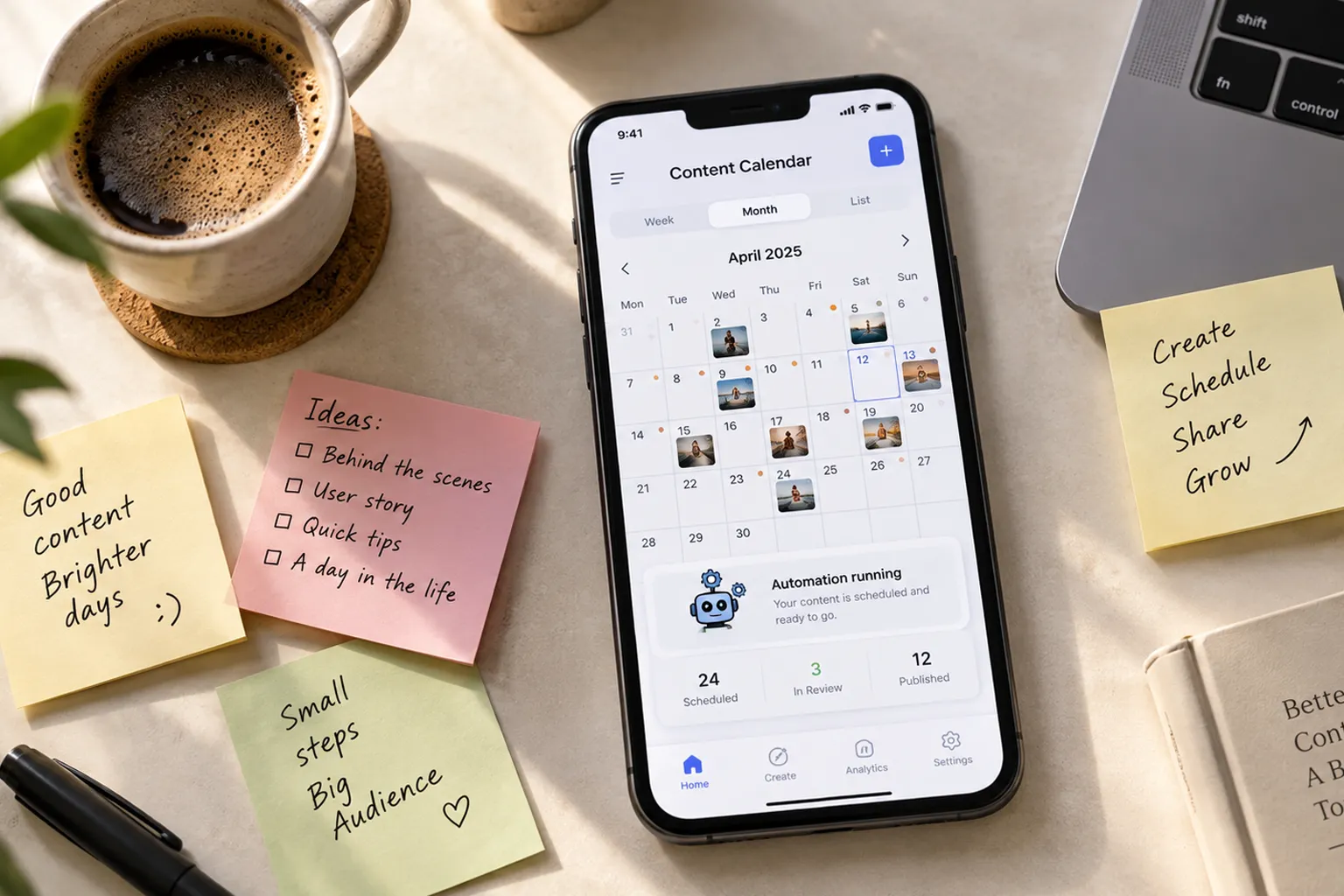
"If we automate it, won't it start sounding like a bot?" It's the first objection every client raises before they'll even consider handing over their social calendar — and it's a fair one. Most automated content does sound like a bot. That's not a flaw in automation. It's a flaw in what got automated.
Same Fear, Every Client
We hear it in almost identical words every time: a founder or marketing lead has seen a competitor's feed go stale — same template, same caption structure, same time-of-day post, week after week — and they've decided that's what "automated" looks like. So they'd rather post inconsistently by hand than risk sounding like that. It's an understandable trade, but it's the wrong one. The problem was never that a machine was involved. It's that the machine was handed the wrong job.
Every social post is really three separate jobs stacked on top of each other, and they don't all deserve the same treatment.

The parts of a post that should never touch a script.
The Three Jobs Inside One Post
Once you split a post into what it actually takes to make one, it's obvious that only some of that work should ever be automated:
- The idea
- The hook, the story, the reason this post exists at all — never automate this part.
- This is the only piece a customer actually notices as "you."
- The production
- Resizing for five aspect ratios, adding captions, scheduling across time zones.
- Pure repetition — automate all of it, without hesitation.
- The response
- Routing FAQs and order-status questions can be automated safely.
- Anything that sounds like a real conversation should reach an actual person.
Almost every "this brand sounds like a bot now" complaint traces back to job one being handed to a machine that was only ever supposed to handle jobs two and three.
The Tells That Give a Bot Away
You can usually spot over-automated content within a few seconds, and it's rarely the writing quality that gives it away:
- Captions that could be swapped between five competitors without anyone noticing.
- Replies that answer the words in a comment but miss what the person actually meant.
- Posting times that never move, even around a launch, a holiday, or real news.
- Zero acknowledgment when something in the world makes that day's post oddly timed.
Automating Without Losing the Voice
The brands that automate well aren't doing less automation — they're automating a narrower slice of the job, on purpose. A human still writes the hook. A human still decides what's worth posting this week. The system just takes over everything after that decision is made: formatting it correctly, publishing it on time, sorting the replies that need a person from the ones that don't.
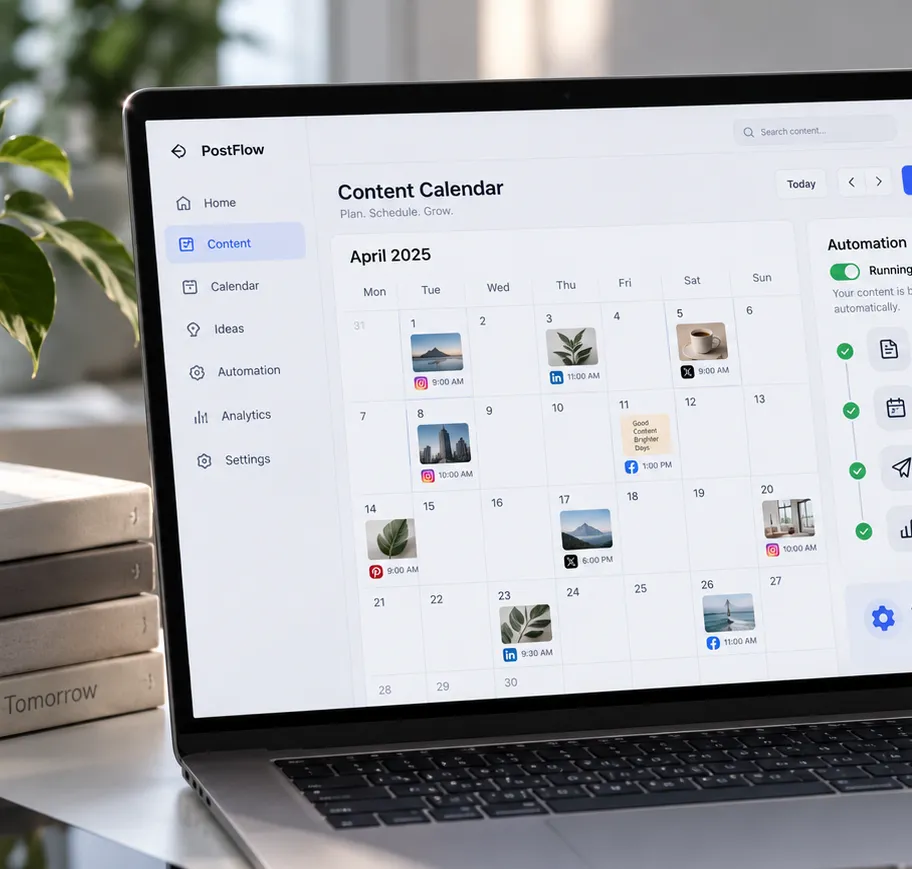
Automation should be invisible to your audience. The moment they can feel it, you automated the wrong part.
So the real question isn't whether to automate your social media. It's which third of the job you're willing to let go of — and which third you're not.
What do you think?
Share your thoughts. Your email address will not be published.